YouTube is turning the thumbnail from a design decision into a measured, iterated asset, and it’s doing it inside the app creators already use. Media teams publishing anywhere else (their own site, an OTT app, a newsletter) still pick hero images on taste and hope. According to TechCrunch, YouTube is adding Studio features that generate ideas and monitor how thumbnails perform. On its own that’s a product update. Read alongside what YouTube has shipped over the past two years, it looks like a clear statement about where packaging is heading. Generation is cheap. The scoreboard is the product.
The thumbnail stopped being art direction a while ago
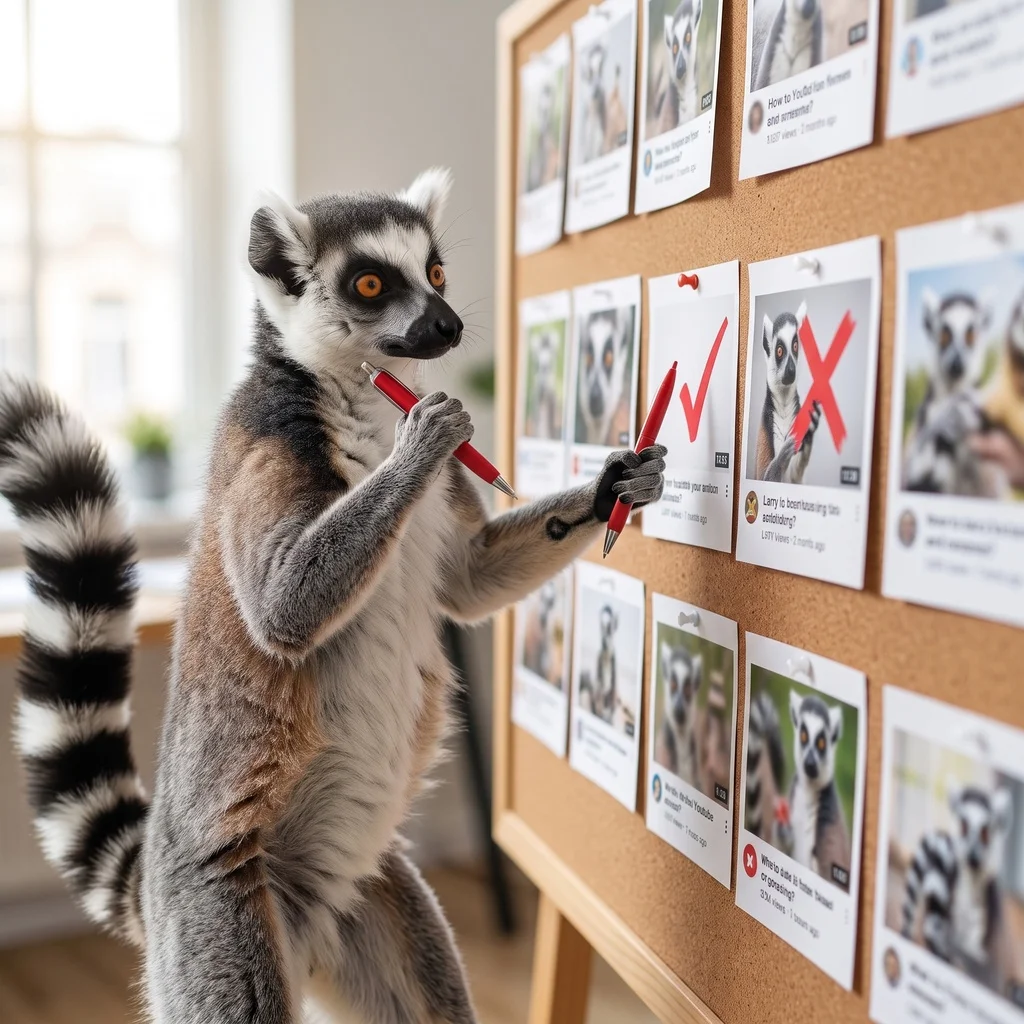
This didn’t start this month. YouTube’s Test & Compare feature already lets creators upload several thumbnails for one video and have the platform pick a winner. The detail I keep coming back to is the metric. YouTube chose watch time share as the deciding signal rather than click-through rate, because a thumbnail that wins the click and loses the viewer thirty seconds in is a bad thumbnail. That’s a very opinionated choice about what “good” means, and YouTube made it for millions of creators at once.
Add idea generation upstream and performance monitoring downstream and you get a closed loop: suggest, produce, test, learn, repeat. The creator’s job moves from making the one perfect image to supplying sensible candidates and reading the results.
Netflix got here first on the streaming side. Its Technology Blog described years ago how it personalises artwork per member, showing different images for the same title depending on what a viewer tends to watch. Netflix built that because artwork measurably moves viewing. YouTube is now handing a lighter version of that machinery to anyone with a channel.
Your newsroom is still running the old process
Here’s where it gets uncomfortable for publishers. A solo creator on YouTube now has better tooling for packaging decisions than a lot of mid-size media companies have for their own homepages.
The typical editorial flow I see looks like this. A picture editor or producer picks one image, maybe crops it twice for different aspect ratios, and ships it. If it’s a big story someone might swap the image after an hour because “it isn’t doing numbers”, which is A/B testing with a sample size of one opinion. Nobody logs why. Nothing is learned.
AI image generation and editing made the first half of the loop trivial. Making five plausible hero variants for a story (a tighter crop, a cleaner background, a different focal subject, a version with text space for social) costs cents and seconds. What most teams lack is the other half:
- a check that each variant is on brand and safe before it goes anywhere near a reader
- a rule for what counts as “winning”, written down before the test, not after
- a record of which variants won, so next week’s choices start smarter
The safety check matters more than people think. YouTube already requires creators to disclose realistic altered or synthetic content, a policy it introduced in 2024, and its rules against misleading thumbnails predate generative AI entirely. Publishers carry the same reputational risk with less platform protection. An AI-edited hero image that implies something the story doesn’t say is a correction waiting to happen. If you’re going to generate variants at volume, an automated gate that rejects misleading, off-brand or unsafe images has to sit in front of the test, not behind it.
That’s the shape of the system worth building: generate candidates, run them through a quality gate with criteria an editor wrote in plain English, publish the survivors, measure on the metric you actually care about. It’s the kind of chain we built apiai.me for, but the point stands whatever you build it with. Generation without grading is just faster guessing.
Pick your watch-time equivalent
YouTube’s most useful lesson is the metric choice. For a news site, clicks alone reward bait. Scroll depth, time on article, or return visits within a week are closer to what watch time share captures. Choose one before you run a single test, because the metric you optimise for is the editorial policy you actually have, whatever the style guide says.
What to watch
Three things over the next year. First, whether YouTube starts suggesting generated thumbnails directly from its idea tools, closing the loop entirely inside Studio. If it does, creator packaging becomes a platform feature and the advantage shifts to whoever supplies better raw material. Second, whether other platforms that host publisher video follow with their own testing and scoring, which would make off-platform measurement a must for media teams wanting a consistent view. Third, how disclosure rules evolve as AI-edited thumbnails become the default rather than the exception.
The honest open question for editors is this: when the test says the image you’d never have picked is the winner, who gets the final call? Decide that now. It’s much harder to argue about mid-story at 11pm.