
The End of Visual Scarcity: What Google’s Synthetic Search Means for Media Pipelines
Google now generates AI images when search results fall short. For media teams, static stock libraries must evolve into dynamic API pipelines to meet the long tail of visual demand.

Sub-5-Second Media Pipelines: How Fast AI Changes Video Workflows
Google’s Nano Banana 2 Lite and Gemini Omni Flash APIs bring image generation under five seconds, making real-time, chained video pipelines a reality for publishers.

Scaling Swedish Media Production With Orchestrated AI Pipelines
To survive shrinking ad margins and global platform competition, Swedish media houses must transition from manual AI prompting to automated, heavily evaluated generation pipelines.

Why Gemini Omni Rewires Multimodal Video Production
Google's Gemini Omni collapses text, audio, and image processing into native video generation, forcing media publishers to rethink how they build AI pipelines.

Beyond Facial Recognition: Privacy-First Visual Moderation Pipelines
As platforms shift to structural image analysis over biometric tracking, media publishers must rethink how they moderate visual content at scale without capturing identity.

Nvidia’s Nemotron and the Rise of Composite AI Media Pipelines
Nvidia’s Nemotron 3 Nano Omni proves that next-gen AI relies on composite model data. For media engineers, this shift mandates a pipeline-first approach to multimodal content.

Universal Image Segmentation: Rebuilding Media Pipelines
Unified segmentation models are collapsing computer vision tasks, allowing media engineering teams to automate cropping, dynamic layouts, and moderation at scale.

From ComfyUI to Cloud Pipelines: Scaling Editorial AI Assets
Hugging Face is pushing ComfyUI to the cloud, signaling a major shift in how publishers manage AI. Here is why media teams are moving from local UIs to programmatic API pipelines.

Programmatic Prompting for Media: Standardising Nano Banana Pro Pipelines
As publishers scale AI-generated visuals, artisanal prompting is giving way to deterministic, API-driven image pipelines. Here is how media teams are systematising art direction.

From HappyArt to apiai.me: The 90-Day Blueprint for Campaign-Profitable AI
How we replaced a fragmented nightmare of AI scripts with a unified orchestration layer—achieving full campaign profitability in 90 days and birthing a new B2B infrastructure platform.

The Trust Engine: Moving from Gut Feeling to Programmatic QA
Discover how media and platform engineering teams are moving from subjective manual reviews to automated, data-driven AI evaluation pipelines to scale safely.
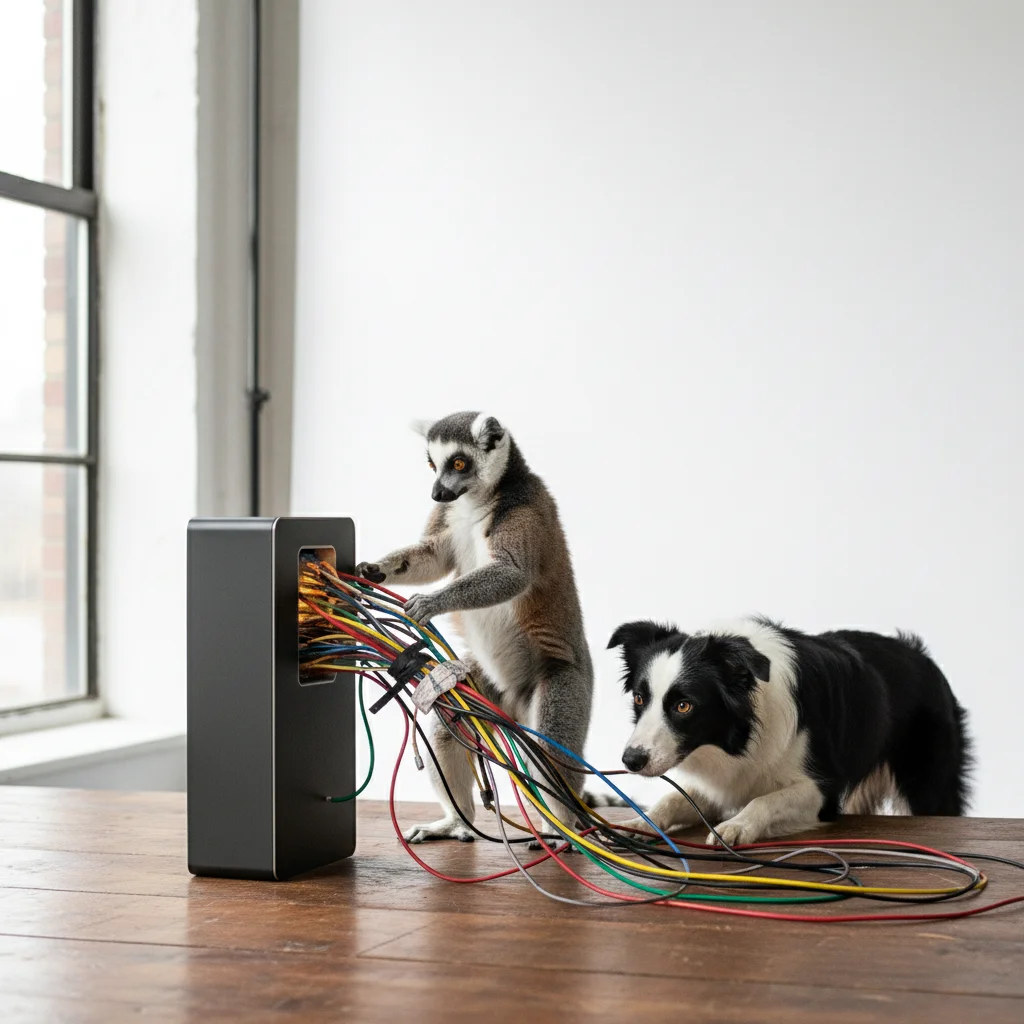
The Architect’s Burden: Why 20 Years of Seniority Led to One API Endpoint
AI media production has devolved into an infrastructure nightmare of glue code. For senior leaders, the ultimate architectural flex is abstracting model chaos behind a single, reliable endpoint.